+ Problem +
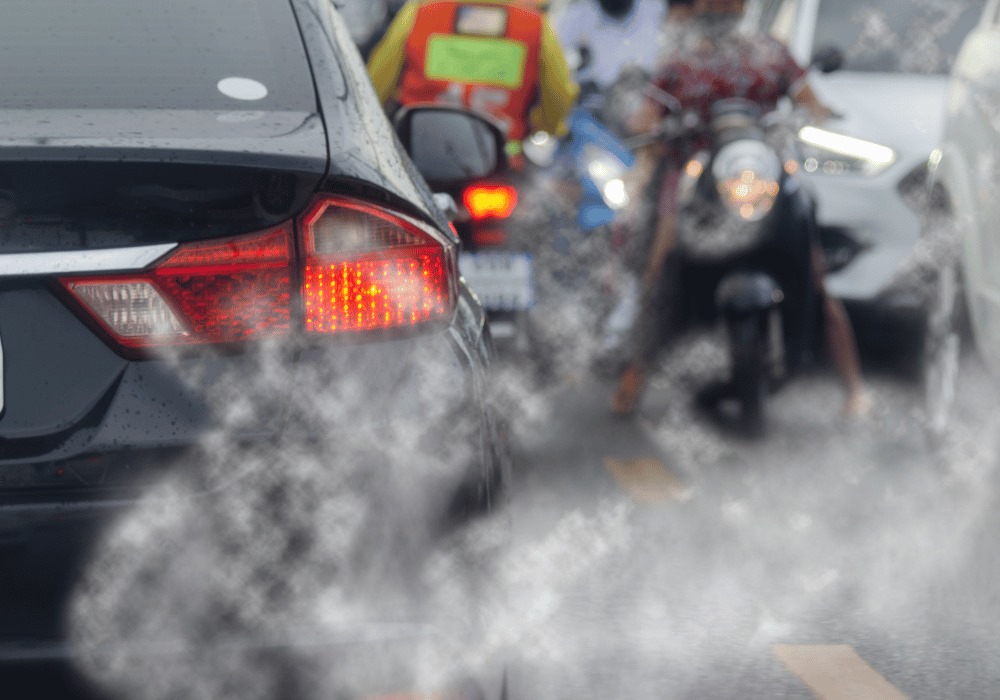
In the battle against climate change, one of the most pressing challenges we face today is the alarming rate at which vehicles emit carbon dioxide (CO2) and other greenhouse gases into the atmosphere. As the global population burgeons and urbanization accelerates, the demand for personal and commercial vehicles has surged, exacerbating the emissions conundrum. Cars, trucks, buses, and motorcycles collectively contribute a significant portion of the world's CO2 emissions, with transportation accounting for nearly one-quarter of global carbon emissions. This environmental menace is primarily fueled by the combustion of fossil fuels predominantly gasoline and diesel in internal combustion engines, releasing CO2 and other pollutants into the air with each mile traveled. The repercussions of this unchecked emission are dire, contributing significantly to global warming, air pollution, and myriad adverse effects on public health and the environment.
Moreover, the vehicular carbon emission problem is not just confined to exhaust fumes; it encompasses the entire lifecycle of vehicles, from production to disposal. The manufacturing process of vehicles involves intensive energy consumption, raw material extraction, and emissions from manufacturing plants. Furthermore, the disposal of end of life vehicles presents another environmental quandary, with improper disposal methods leading to pollutants leaching into soil and water sources. The proliferation of gas guzzling SUVs and the slow adoption of cleaner alternatives, such as electric vehicles (EVs) or hydrogen fuel cell vehicles, exacerbate the situation. Despite advancements in automotive technology and efforts to improve fuel efficiency, the sheer volume of vehicles on the road continues to escalate, offsetting any gains made in emissions reduction. Thus, addressing the vehicle carbon emission problem necessitates a multifaceted approach, encompassing policy interventions, technological innovations, and shifts in consumer behavior towards sustainable transportation solutions.
Environmental Impact
Vehicle emissions, including carbon dioxide and pollutants like nitrogen oxides and particulate matter, contribute to air pollution, climate change, and ecological damage, threatening the health of ecosystems worldwide.
Public Health Implications
Harmful emissions from vehicles exacerbate respiratory diseases and cardiovascular problems, disproportionately affecting vulnerable populations and leading to increased healthcare costs and premature deaths.
Energy Security and Resource Depletion
Dependence on finite fossil fuels for transportation raises concerns about energy security, geopolitical tensions, and resource depletion, highlighting the need for transitioning to sustainable and renewable energy sources.
Climate Change and Global Warming
The release of greenhouse gases, primarily CO2, from vehicles intensifies the greenhouse effect, resulting in rising temperatures, extreme weather events, and disruptions to ecosystems and livelihoods globally.
What is a carbon footprint ?
A carbon footprint is the total amount of greenhouse gases (including carbon dioxide and methane) that are generated by our actions. The average carbon footprint for a person in the United States is 16 tons, one of the highest rates in the world. Globally, the average carbon footprint is closer to 4 tons. To have the best chance of avoiding a 2℃ rise in global temperatures, the average global carbon footprint per year needs to drop to under 2 tons by 2050. Lowering individual carbon footprints from 16 tons to 2 tons doesn’t happen overnight! By making small changes to our actions, like eating less meat, taking fewer connecting flights and line drying our clothes, we can start making a big difference.
Carbon Footprint Calculator
www.SeeO2free.com | Copyright © 2018-2024 All Rights Reserved. Designed by Pramod B.