+ Solutions +
Carbon emissions from vehicles have become a pressing environmental concern, contributing significantly to global warming and air pollution. As the world strives for sustainability and cleaner energy, finding solutions to reduce vehicle carbon emissions is paramount. Fortunately, several promising strategies are emerging to tackle this challenge.
1. Electric Vehicles (EVs)
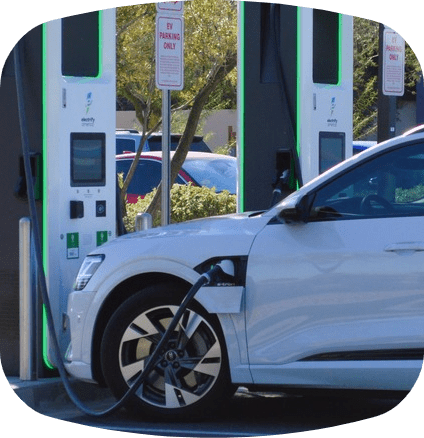
Embracing electric vehicles is perhaps the most impactful solution to curb carbon emissions from transportation. EVs produce zero tailpipe emissions, reducing reliance on fossil fuels. As technology advances, EVs are becoming more accessible, with increased driving range and improved charging infrastructure. Governments and industries worldwide are incentivizing the adoption of EVs through subsidies, tax breaks, and infrastructure investments.

2. Hybrid Vehicles
Hybrid vehicles combine an internal combustion engine with an electric motor, offering improved fuel efficiency and lower emissions compared to traditional gasoline powered cars. By seamlessly switching between the engine and electric power, hybrids reduce overall carbon emissions while providing drivers with flexibility and extended driving range.
3. Alternative Fuels
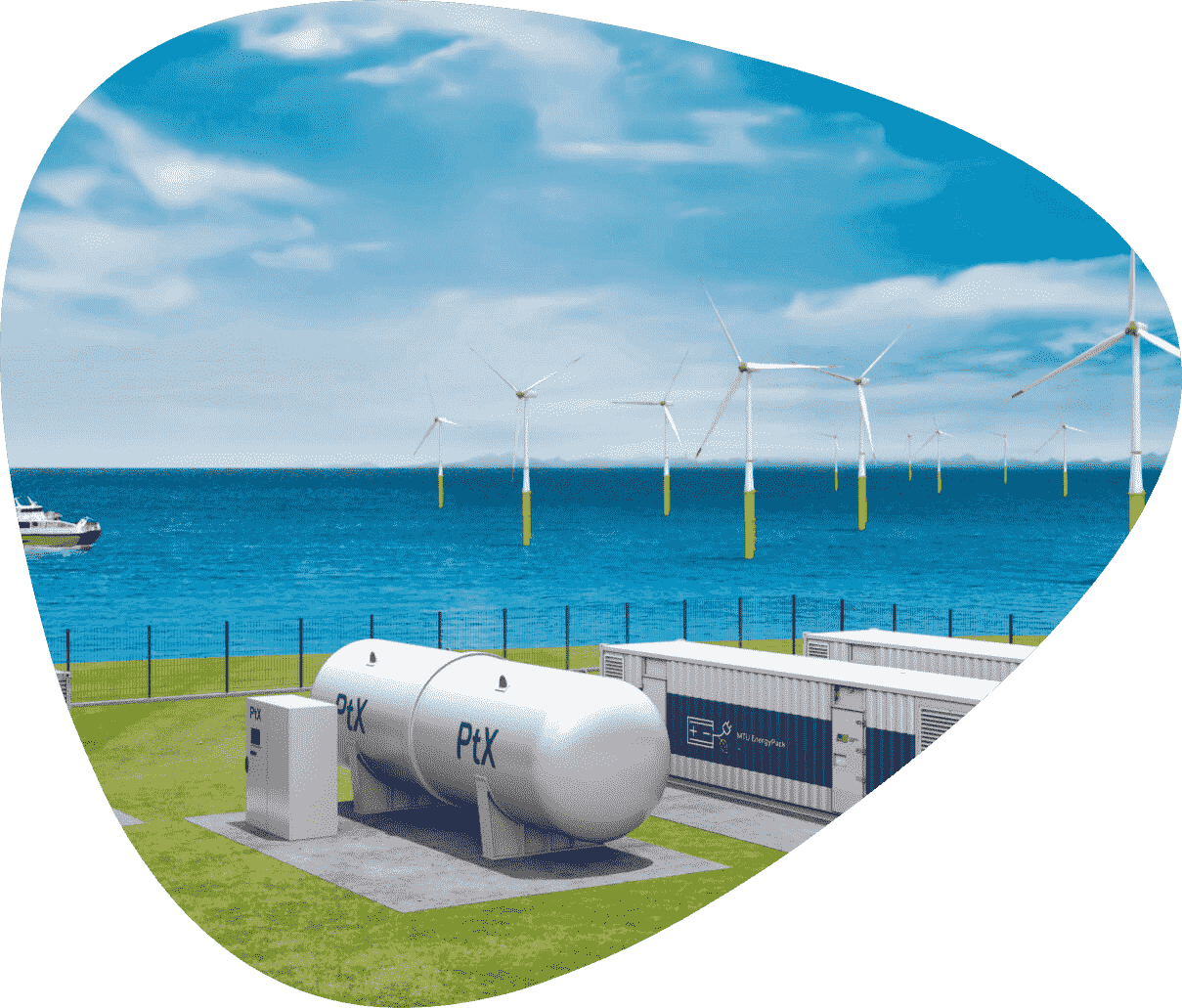
Exploring alternative fuels such as biofuels, hydrogen, and synthetic fuels presents another avenue for reducing vehicle carbon emissions. Biofuels, derived from organic materials like corn, offer a renewable and lower emission alternative to conventional gasoline. Hydrogen fuel cell vehicles emit only water vapor, offering a clean and efficient option for transportation. Synthetic fuels, produced from renewable sources like captured carbon dioxide have the potential to decarbonize existing internal combustion engine fleets.

4. Public Transportation
Investing in efficient public transportation systems can significantly reduce carbon emissions by encouraging fewer individual vehicle trips. Well designed public transit networks, including buses, trains, and light rail systems, provide convenient alternatives to private car travel, particularly in urban areas. Integrating technology such as electric or hydrogen powered buses further enhances the environmental benefits of public transportation.
5. Standards and Regulations
Implementing stringent vehicle efficiency standards and emissions regulations incentivizes automakers to produce cleaner, more fuel efficient vehicles. Governments play a crucial role in setting and enforcing these standards, pushing the automotive industry toward sustainable practices. Investing in research and development to improve engine efficiency, aerodynamics, and lightweight materials further enhances vehicle fuel economy and reduces carbon emissions.

www.SeeO2free.com | Copyright © 2018-2024 All Rights Reserved. Designed by Pramod B.